US–India Trade: At What Cost to India?
As EU talks mature, Delhi weighs US gains against Russia ties and food security
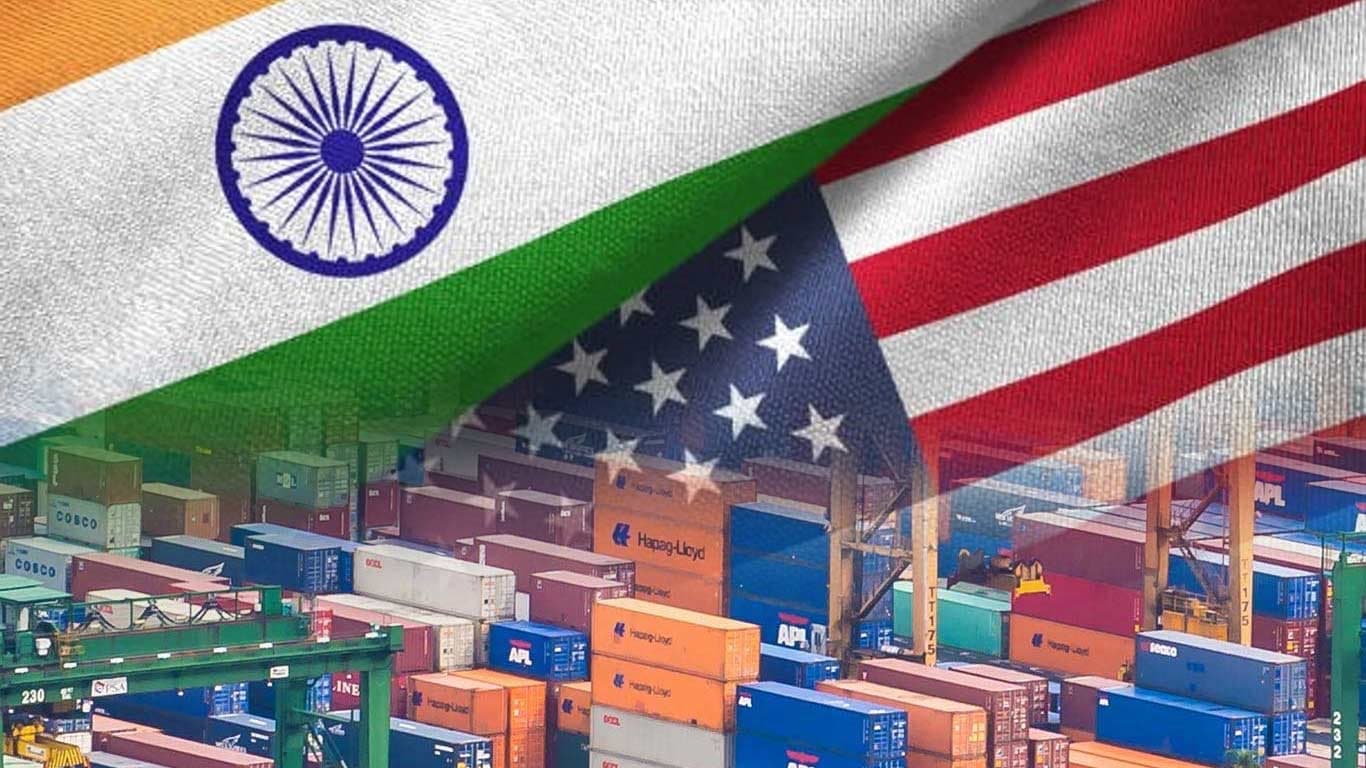
India weighs cost of US trade push
India weighs cost of US trade push
The celebratory tone surrounding a proposed India–United States trade deal has been hard to miss. Political leaders on both sides are indulging in visible back-patting, projecting the agreement as a historic, “win–win” reset in bilateral ties. The headline ambition USD 500 billion in trade by 2030 sounds impressive. Yet beneath the optics lies a troubling absence of detail.
Trade diplomacy is not theatre. It is arithmetic, alignment and consequence. And at present, the numbers and implications do not quite add up.
In 2024, US goods and services trade with India stood at USD 212.3 billion, growing by 8.3 per cent year-on-year. India’s imports from the US, however, remain below USD 50 billion annually. Elevating that figure tenfold within five years would require India to either displace existing trade partners or open sensitive domestic sectors or both.
Energy: The First Strategic CompromiseThe most visible shift appears to be unfolding in energy procurement.
Indian public sector oil companies have already begun placing crude oil orders with the United States, a departure from the heavy reliance on discounted Russian oil that helped India cushion inflationary shocks after the Ukraine conflict began.
This shift is not economically neutral.
India–Russia bilateral trade reached USD 68.7 billion in FY 2024–25, nearly six times pre-pandemic levels
Russian imports alone accounted for USD 63.84 billion, largely energy
Russian crude provided India with pricing flexibility and supply security
Replacing discounted Russian oil with American supplies could inflate India’s import bill, feeding directly into fuel prices, logistics costs and consumer inflation. More importantly, it risks strategically narrowing India’s options at a time when geopolitical autonomy is its greatest leverage.
Russia: More Than Just an Energy SupplierRussia is not merely an oil vendor. It remains a critical strategic partner, particularly in defence, nuclear energy and multilateral diplomacy.
A forced dilution of Indo–Russian ties under external pressure would signal a dangerous precedent that India’s strategic relationships are negotiable commodities in trade bargaining. For a country that has consistently defended strategic autonomy, this would be a costly departure.
Agriculture: The Red Line That Must Not BlurIf energy is the first compromise, agriculture could become the most damaging one.
The sector sustains hundreds of millions of livelihoods and forms the backbone of India’s food security. Any reduction in tariff or non-tariff barriers on American agricultural or dairy products would expose Indian farmers to heavily subsidised US producers.
Official statements insist agriculture remains protected. But crucial questions remain unanswered:
Which products are covered?
Are tariffs being reduced to zero?
What timelines and safeguard clauses exist?
Even marginal concessions could trigger price distortions, income stress and political fallout. For a nation of 140 crore people, agriculture is not a bargaining chip it is a red line.
The EU Contrast: Quiet Progress, Real SubstanceWhile US negotiations dominate headlines, India–EU trade talks offer a revealing counterpoint.
The EU is India’s largest trading partner, accounting for €120 billion in goods trade in 2024
Trade in goods has grown nearly 90 per cent over a decade
Services trade touched €59.7 billion
EU FDI stock in India reached €140.1 billion
Around 6,000 European companies operate in India
Crucially, EU negotiations have focused on regulatory alignment, phased access and long-term investment, not abrupt geopolitical realignments. Europe offers depth, capital and technology without demanding strategic loyalty tests.
China: The Unavoidable RealityAny recalibration of India’s trade architecture must also factor in China.
India–China trade stood at USD 127 billion in 2024–25
India imported USD 113 billion worth of goods
Exports to China were just USD 14.5 billion
Despite political tensions, economic interdependence persists. Trade flows of this scale cannot be redirected overnightwithout disruption. Any US-driven restructuring must acknowledge this reality.
The Silence Between AnnouncementsPerhaps the most telling aspect of the current moment is not what has been announced but what has been left unsaid.
There is no public confirmation from New Delhi on:
Zero tariffs on US goods
A binding commitment to abandon Russian oil
The USD 500 billion purchase figure
Agriculture market access
Trade agreements are judged not by press statements, but by fine print.
Strategic Balance, Not Strategic SubmissionA stronger India–US partnership is both desirable and necessary particularly in technology, defence manufacturing and supply chain resilience. But partnership must not slide into policy submission.
India’s strength has always rested on balance engaging all major powers while remaining beholden to none. A trade deal that raises costs for consumers, unsettles farmers and constrains foreign policy would impose a price far higher than any headline target.
In the end, the measure of success will not be how loudly India is applauded abroad, but how resilient its economy and society remain at home.
Get the latest updates directly on your WhatsApp

Hamas–LeT–JeM nexus signals a wider arc of threat India can no longer ignore
New forest rules open public woods to private plantations, risking ecology and justice

US pressure over Greenland raises urgent questions about sovereignty and global order