Heroes Fall, and Then What Happens?
Sexual assault allegations against Neil Gaiman raise the question: Can you separate art from the artist?
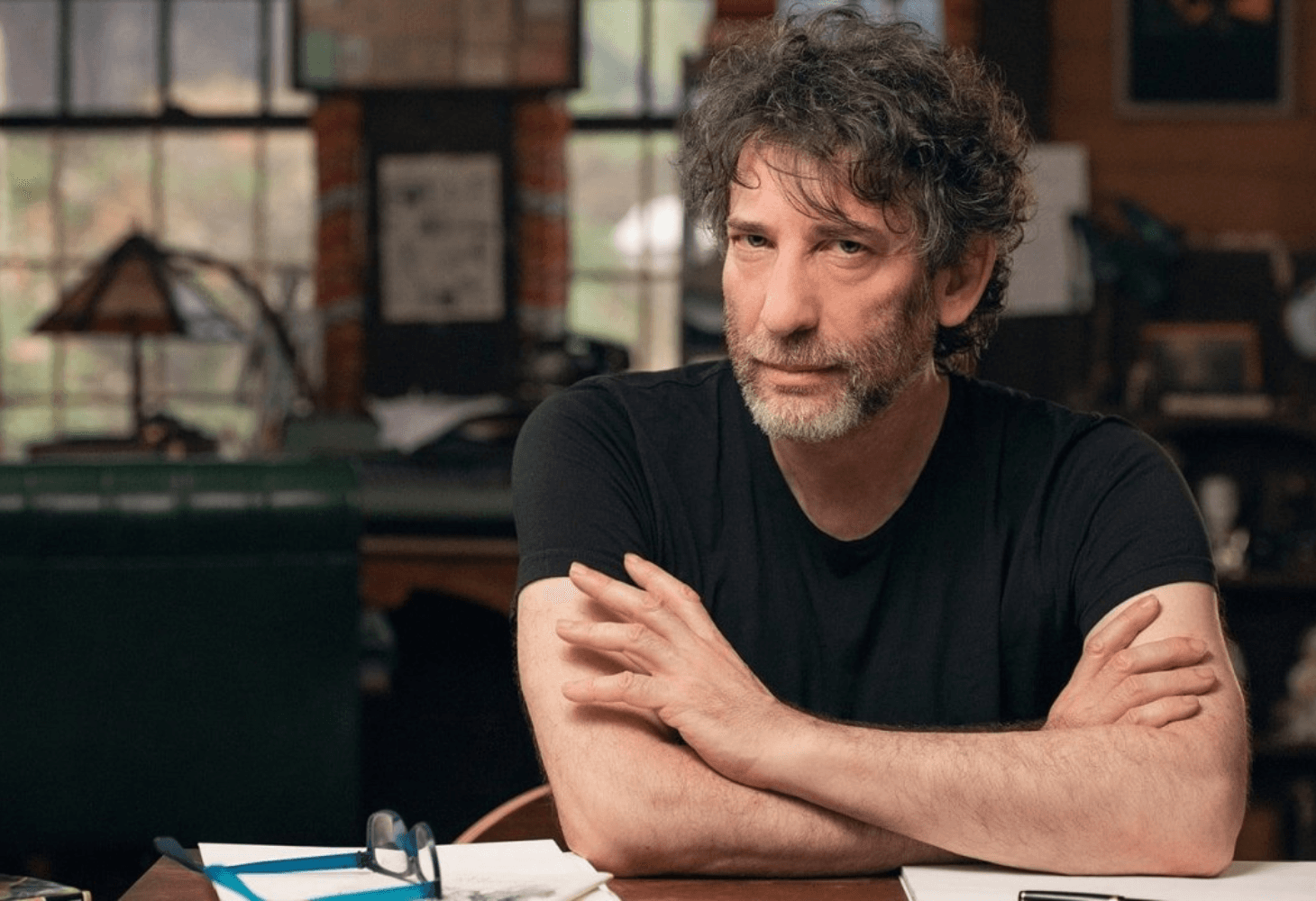
Award-winning author Neil Gaiman, who has been accused of sexual assault
Award-winning author Neil Gaiman, who has been accused of sexual assault
About a decade ago, Neil Gaiman taught me a valuable lesson in storytelling. The gist was, you’ve got your audience hooked if you have them asking “And then what happened?”
It made sense. Whether it was the Graveyard Book, or Coraline, or The Ocean at the End of the Lane, all of Gaiman’s writing had the reader, or at least this reader, wondering what came next.
It took me until last year to realize that, perhaps, the most elaborate story he’d been telling us wasn’t in any notebook. It was that of an articulate mop-headed eccentric who scribbled first drafts to whole novels into notebooks, who wrote poetry to raise funds for refugees as UNHCR’s goodwill ambassador and who spoke up for women’s rights.
In July 2024, I’d just finished my annual reread of Good Omens, and a rewatch of both seasons of the Amazon Prime version of the show, when a Tortoise Media podcast reported, sometimes in graphic detail, five women's accusations of sexual assault.
My first thought was, “Sir Terry (Pratchett, who co-wrote Good Omens with Gaiman) would have been so disappointed.” The reactions that followed were fairly predictable. First, denial. Surely not! Then, anger: How dare he?!
I’ll let you know when and if I move past the second stage of grief—grief for the loss of an icon and anger by the betrayal by someone I'd thought of as an ally.
This is probably why popular wisdom says not to meet your heroes.
Gaiman’s accusers were largely fans, swayed by—one assumes—his charm and celebrity.
His alleged assaults happened within the framework of “consensual” relationships, including one with the nanny of his five-year-old son. According to the Tortoise Media podcast, one woman said police dropped an investigation into her report of sexual assault because the case would have been “unprovable”.
Last week, that anger rose again like bile when The Vulture reported that the number of accusers has risen to eight.
The accusations are particularly horrifying in the context of Gaiman’s perceived allyship. He was supposed to be one of the good guys—a champion of progressive causes and respectful discourse.
Didn’t he, at the height of the #MeToo movement say: “I believe survivors. Men must not close our eyes and minds to what happens to women in this world?”
Now, in response to the latest allegations, he’s said: “I’m far from a perfect person, but I have never engaged in non-consensual sexual activity with anyone. Ever.”
And “I could have and should have done so much better…. I was emotionally unavailable while being sexually available, self-focused and not as thoughtful as I could have or should have been. I was obviously careless with people’s hearts and feelings.”
Yes, Neil, you should have done better. So much better.
We've often thought of Gaiman as the Sandman—fair and righteous. Now, like Coraline’s Other Mother, he comes across as a figure of affection that ultimately seeks control and harm.
Should we have seen this coming, based on his problematic take on Calliope’s story in The Sandman?
Since the allegations first emerged, several film and TV projects involving Gaiman have either been scrapped entirely or have been put on ice. Prime Video’s Season three of Good Omens will now consist of one 90-minute episode, sans any involvement from Gaiman. Disney halted production on its film adaptation of The Graveyard Book, while Netflix has cancelled Dead Boy Detectives.
The story is painfully familiar.
Like Crowley from Good Omens—the charming demon who strolls the line between good and evil—Gaiman built a public persona blending wit, mischief, and a self-styled moral compass.
But while Crowley sauntered vaguely downwards, Gaiman’s real-life fall from grace has been far more brutal.
After all, we’d put him on quite the pedestal.
He is hardly the first, and definitely will not be the last, celebrity whose actions shine a spotlight on the question: Can you separate the art from the artist?
Roman Polanski’s The Pianist remains a haunting masterpiece, even as his conviction for sexually assaulting a minor has kept him a fugitive from US justice. Woody Allen’s films have charmed generations, though many can no longer watch them without recalling the allegations of abuse by Dylan Farrow. Enid Blyton’s beloved children’s books are tainted by accusations of racism and xenophobia. And Michael Jackson’s music continues to fill dance floors, despite the deeply troubling accusations of child sexual abuse that dogged him until his death—and beyond.
We are left grappling with uncomfortable truths. Does celebrating their work mean endorsing their behaviour? Can admiration coexist with condemnation?
Unlike the binary options presented by today’s cancel culture, two things can be true at once: a) Gaiman may be a despicable human guilty of sexual assault and b) his oeuvre—works like The Sandman, The Ocean at the End of the Lane and, of course, Good Omens, can continue to delight and thrill.
And yet, while discarding an author is relatively straightforward, film and music productions are rarely the product of one individual. Behind every iconic work are directors, producers, actors, musicians, and crews—many of whom depend on residual cheques and royalties to sustain their livelihoods. Punishing one person by boycotting an entire body of work inevitably impacts these others too.
So where does that leave us?
Can we find ways to cancel artists and authors while continuing to enjoy the product of their genius?
There are no easy answers, and perhaps there never will be.
Ultimately, the question isn’t just about separating art from the artist; it’s about what it means for us as consumers of culture. How do we navigate the complexities of admiration, guilt, and accountability? In the end, the choice is deeply personal, but it’s a conversation that will continue to evolve.
Perhaps the story isn’t just about separating art from artist but about understanding the narratives we choose to believe—and the ones we must question. And then what happens next?
Get the latest updates directly on your WhatsApp

As EU talks mature, Delhi weighs US gains against Russia ties and food security
Hamas–LeT–JeM nexus signals a wider arc of threat India can no longer ignore

New forest rules open public woods to private plantations, risking ecology and justice