Gujarat Leads in Forest Land Diversion Approvals
State tops India in cleared proposals as over 97,000 hectares diverted for projects
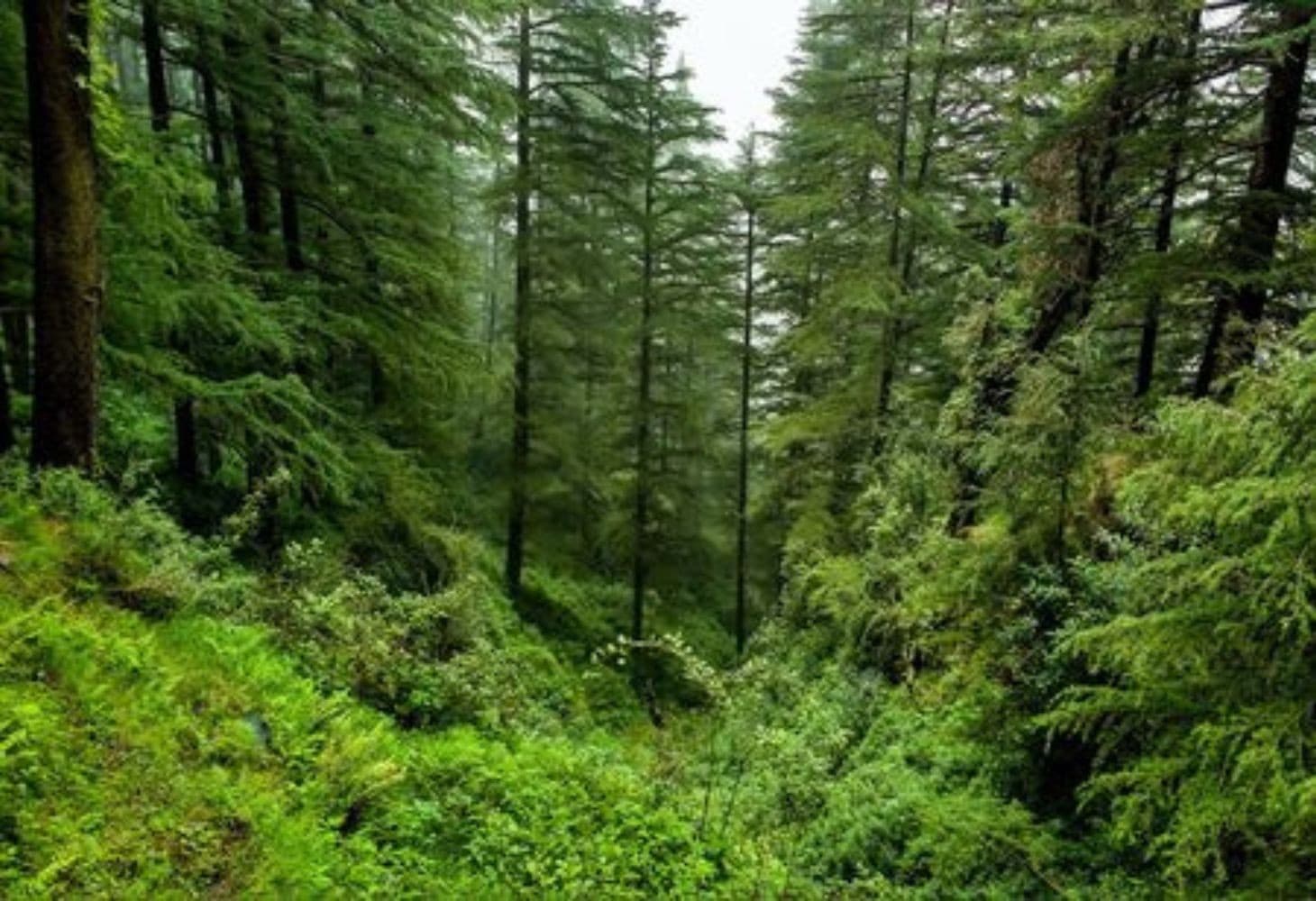
Gujarat forest diversion data
Gujarat forest diversion data
Gujarat has recorded the highest number of approvals for diverting forest land to non-forest use over the past five financial years, according to information shared in the Rajya Sabha. Between April 1, 2020, and March 31, 2025, the state received clearance for 1,560 proposals under the Van (Sanrakshan Evam Samvardhan) Adhiniyam, 1980, the most among all states and union territories.
Haryana ranked second with 1,424 approvals, followed by Uttar Pradesh (1,188), Punjab (1,067), and Madhya Pradesh (902). Nationwide, authorities approved 10,026 proposals during this period, while 120 were rejected.
The Union environment ministry reported that 97,050.30 hectares of forest land were diverted across India between 2020-21 and 2024-25. Officials noted that approvals are granted through a statutory process once proposals meet all requirements.
Although Gujarat led in the number of clearances, it was not the top state in terms of total forest area diverted. The state recorded 6,850.11 hectares over five years, whereas Madhya Pradesh accounted for the largest share at 24,346.96 hectares, followed by Odisha with 12,875.94 hectares. Gujarat’s annual diversion ranged from nearly 1,900 hectares in 2020-21 to about 537 hectares in 2023-24 before rising again in 2024-25.
Across the country, road construction accounted for the biggest portion of diverted land at over 22,000 hectares. Mining, hydel and irrigation projects, power transmission lines, railways, and defence activities also contributed significantly. Smaller allocations went toward drinking water infrastructure, rehabilitation projects, petrol pumps, optical fibre networks, and pipelines.
Despite the diversion of forest land for development, the ministry maintains that India’s forest and tree cover has steadily expanded. Data from the India State of Forest Report shows an increase from 789,979 sq km in 2013 to 827,357 sq km in 2023.
Responding to concerns based on estimates from the Global Forest Watch platform suggesting lower forest cover, the government stated that differing methodologies and definitions account for the variation. It emphasised that the Forest Survey of India’s assessment relies on remote sensing backed by field verification and national inventory data.
The government also highlighted ongoing initiatives aimed at strengthening green cover, including the National Mission for a Green India, Nagar Van Yojana, mangrove conservation programmes, the Compensatory Afforestation Fund, wildlife habitat development, forest fire prevention efforts, and the nationwide plantation drive “Ek Ped Maa Ke Naam.”

Experience: 3 Years
Journalist
Benefit News Desk provides timely, accurate, and reliable news coverage across Gujarat, India, politics, crime, business, entertainment, sports, and other important topics.
Get the latest updates directly on your WhatsApp
Study Circle Launched for Advocates With Up to 10 Years of Practice

Car drags on-duty constable on bonnet for over a km during routine check in Bhadaj
Illegal unit run as food lab exposed, London-based kingpin under scanner