The Great Indian Fashion Takeover
From runways to red carpets, India isn’t just inspiring global fashion, it’s redefining it

The Great Indian Fashion Takeover
The Great Indian Fashion Takeover
When Prada unveiled its “antiqued leather sandals” on the Milan runway earlier this year, the internet had one collective reaction: “Wait, aren’t those just Kolhapuris?”
What once sold for ₹800 on Indian streets was suddenly reborn as a luxury statement piece, priced at over a thousand dollars. The irony wasn’t lost on anyone. From Gucci’s silk saree at Cannes to Louis Vuitton’s Snakes and Ladders inspired runway, India’s imprint is everywhere and this time, the world is watching with intent.
Across continents, luxury design houses are reimagining Indian craft and iconography with newfound reverence. But while the spotlight feels brighter than ever, this isn’t a sudden awakening, it’s a long-overdue recognition.

Fashion’s fascination with India is no passing phase. It stretches back to the golden age of post-war photography, when Norman Parkinson captured Barbara Mullen in a pastel coat at Jaipur’s City Palace in 1956, and Henry Clarke photographed Veruschka framed against the ornate lattices of Amber Fort.
For decades, the subcontinent has served as muse, rich in texture, technique, and imagination. But now, it’s no longer the silent backdrop. India has moved from the margins to the mainstage.
“Our craft has always been the invisible thread holding haute couture together,” says one Delhi-based designer. “The only thing that’s changed is that the world has finally decided to give it a name.”
From Chintz to ChanelThe story of India’s influence in fashion began centuries ago. Long before Paris or Milan, Indian weavers were creating textiles that captivated Europe’s elite. In the 17th century, chintz, a hand-painted cotton fabric with luminous floral motifs, became the epitome of luxury. Homes, wardrobes, even royal courts across Europe were draped in India’s handiwork.
By the 1700s, India accounted for nearly a third of the world’s economy, driven largely by textile exports. To wear something made in India was to wear the world’s finest craftsmanship.
That legacy, interrupted by colonialism, never truly vanished, it adapted. Today, Indian artisans embroider for the world’s biggest fashion houses, from Paris to New York, their skill forming the hidden scaffolding of haute couture.
The New Chapter: From Inspiration to CollaborationThis time, however, the relationship feels more equitable. Fashion’s fixation has shifted from aesthetic appropriation to cultural collaboration. Dior’s ongoing partnership with the Chanakya School of Craft in Mumbai is a prime example.
The alliance has birthed some of Dior’s most striking work, including the historic 2023 show at the Gateway of India. Behind its elegance were hundreds of Indian hands embroiderers, weavers, storytellers each thread woven with purpose.
“Craft is not just ornamentation,” says a Mumbai-based textile researcher. “It’s living history. It carries memory, meaning, and identity.”
That sentiment is echoed across runways. Vivienne Westwood’s debut show in India spotlighted indigenous weaves like Khadi and Chanderi, while Gucci’s Cannes moment embraced the saree as red-carpet couture.

Even Prada, after online criticism for “rebranding” Indian sandals, sent a team to Kolhapur to understand their cultural and technical roots, a small but significant act of acknowledgement.
A Culture No Longer on the SidelinesThis global gaze is not just about style, it’s about shift. The question has evolved from “Who inspired this?” to “Who made this?” In the age of accountability, visibility is currency.
“India has never been absent from fashion’s story,” one industry insider says. “It was simply edited out. Now, we’re writing the next chapter ourselves.”
As more Indian-origin leaders shape the global narrative, from CEOs in Silicon Valley to designers in Paris, the country’s soft power grows not through imitation, but innovation.
India’s influence today isn’t borrowed, it’s built.


In a world chasing fast fashion, India’s strength lies in what cannot be mass-produced: patience, process, and poetry in thread. From the looms of Banaras to the ateliers of Paris, the journey of Indian craft is no longer underground, it’s centre stage.
As Coco Chanel once said, “Fashion is not something that exists in dresses only. It’s in the air, the street, the ideas.” And right now, that air carries the scent of sandalwood and silk from the subcontinent.
Get the latest updates directly on your WhatsApp
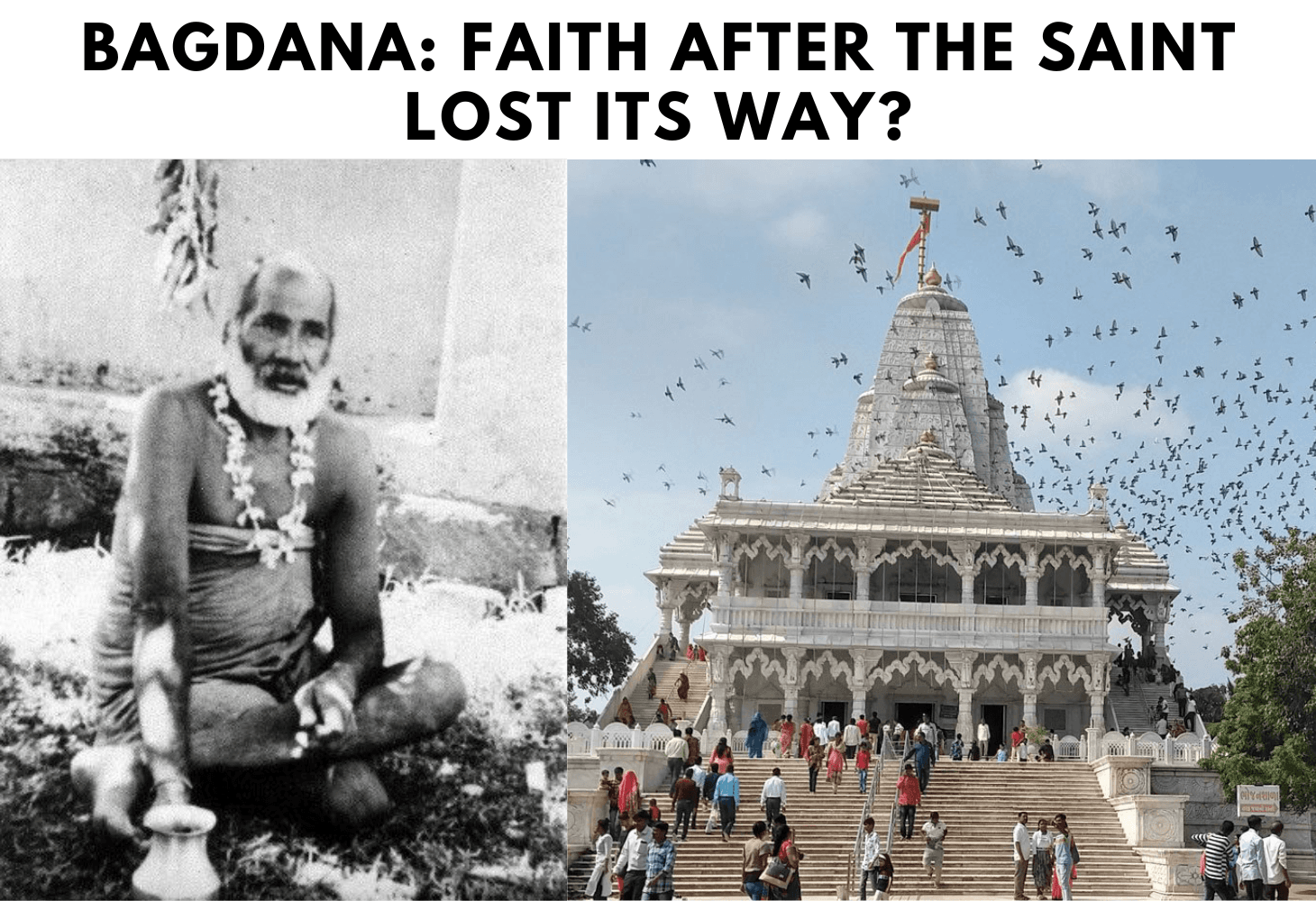
As caste claims clash at Bagdana, Bajrangdas Bapa’s life raises hard questions for today

India, Cambodia condemn demolition near Thai border, urge restraint amid rising tensions
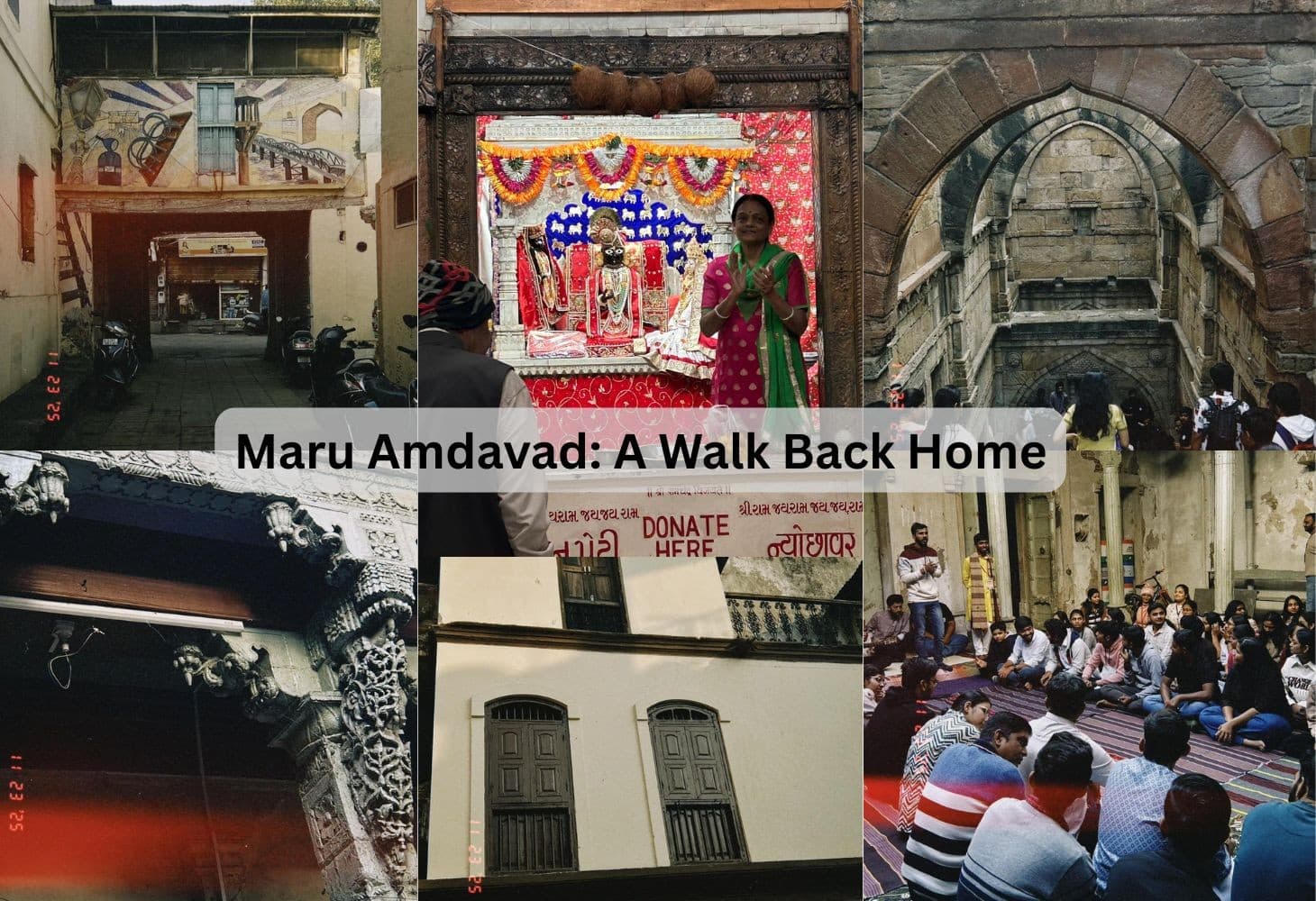
A soulful journey through Old Ahmedabad celebrating roots, culture and folk songs