Bagdana: Faith After the Saint Lost Its Way?
As caste claims clash at Bagdana, Bajrangdas Bapa’s life raises hard questions for today
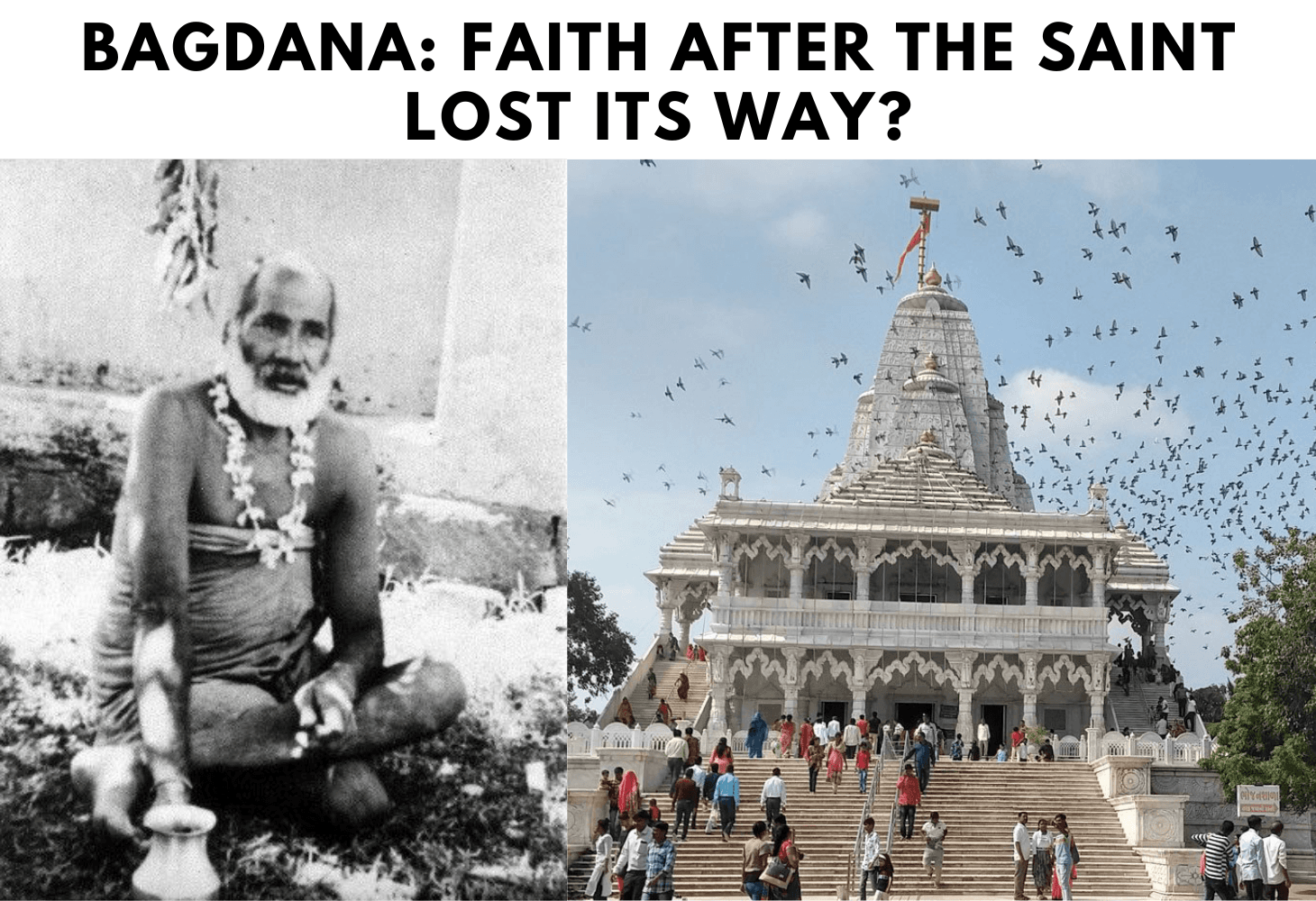
Bagdana: Faith After the Saint Lost Its Way?
Bagdana: Faith After the Saint Lost Its Way?
When Bajrangdas Bapa arrived in Bagdana in the early 1940s, there was no temple complex, no trust, and no committee waiting to receive him. There was only a wandering Ramanandi sadhu who had already renounced caste, power, and possession. Eight decades later, Bagdana Dham stands among Gujarat’s most influential pilgrimage centres. With that influence has come conflict.
The question now confronting devotees and observers alike is uncomfortable but necessary. Does today’s Bagdana reflect Bapa’s bhakti, or does it contradict it?
Did Bajrangdas Bapa believe in identity or in its erasure?Bajrangdas Bapa did not preach identity. He dissolved it.
As a Ramanandi sadhu, caste was not something he merely overlooked. It was something he ritually and socially renounced. His life was defined by anonymity, austerity, and equal access. People came to him not because he represented a community, but because he refused to.
In a society deeply structured by caste and hierarchy, that refusal was itself a radical act.
What was Bagdana before it became influential?The Bagdana Bapa lived in was not a centre of power. It was a forested patch of land where a small hut and a Hanuman murti gradually became a gathering point for faith. There were no claims of ownership, no assertions of entitlement, no competing narratives. Devotion gathered quietly, without spectacle.
That simplicity was not accidental. It was intentional.
When did devotion turn into administration?The turning point came after Bapa’s demise in 1977.
As devotion grew, donations multiplied. Infrastructure expanded. With scale came administration, and with administration came authority. Trusts were formed, committees constituted, and representation began to matter. What had once been a saint centric space became an institution with economic value, social reach, and political relevance. It is here that caste entered the picture.
Is the Ahir–Koli conflict about faith or control?Recent tensions between Ahir and Koli communities around Bagdana are often framed as matters of hurt sentiment or historical entitlement. But history offers little support for such claims. There is no credible evidence that Bapa belonged to or privileged any caste. Early records do not establish exclusive ownership or foundational rights for any single community.
What is unfolding today is not a theological disagreement. It is a struggle for control. Control over what Bagdana represents. Control over who speaks for Bapa. Control over crowds, symbolism, and influence.
When did bhakti start looking like power?In regions where religious institutions carry social capital, proximity to a saint’s legacy often translates into legitimacy. Association becomes authority. Over time, bhakti risks turning into a badge rather than a belief.
What is being contested at Bagdana is not Bapa’s teachings. It is the power that comes from invoking his name.
How far has the institution drifted from the saint?The irony is difficult to ignore. A saint who walked into Bagdana with nothing now stands at the centre of disputes over everything. A guru who rejected caste identity is posthumously claimed by caste narratives. A man who avoided hierarchy now lends his name to competing assertions of dominance.
This drift is not unique to Bagdana. Across India, saint led movements often fracture after the saint is gone. Charisma hardens into institution. Devotion becomes administration. Faith turns into negotiation.
Recognising this pattern, however, does not absolve responsibility. Especially not when the founder’s ideals are so clearly at odds with present practice.
What choice does Bagdana face now?If Bajrangdas Bapa’s life offers any lesson, it is this. Bhakti was never meant to be ownership. His silence on caste was not neutrality. It was rejection. His refusal to institutionalise power was not oversight. It was intention.
Bagdana today stands at a crossroads. It can either protect the sanctity of Bapa’s ideals or continue to use his name to legitimise struggles he never stood for. Both paths cannot coexist.
The saint is no longer here to speak. But his life still does. The only question that remains is whether those claiming to follow him are willing to listen.
Get the latest updates directly on your WhatsApp
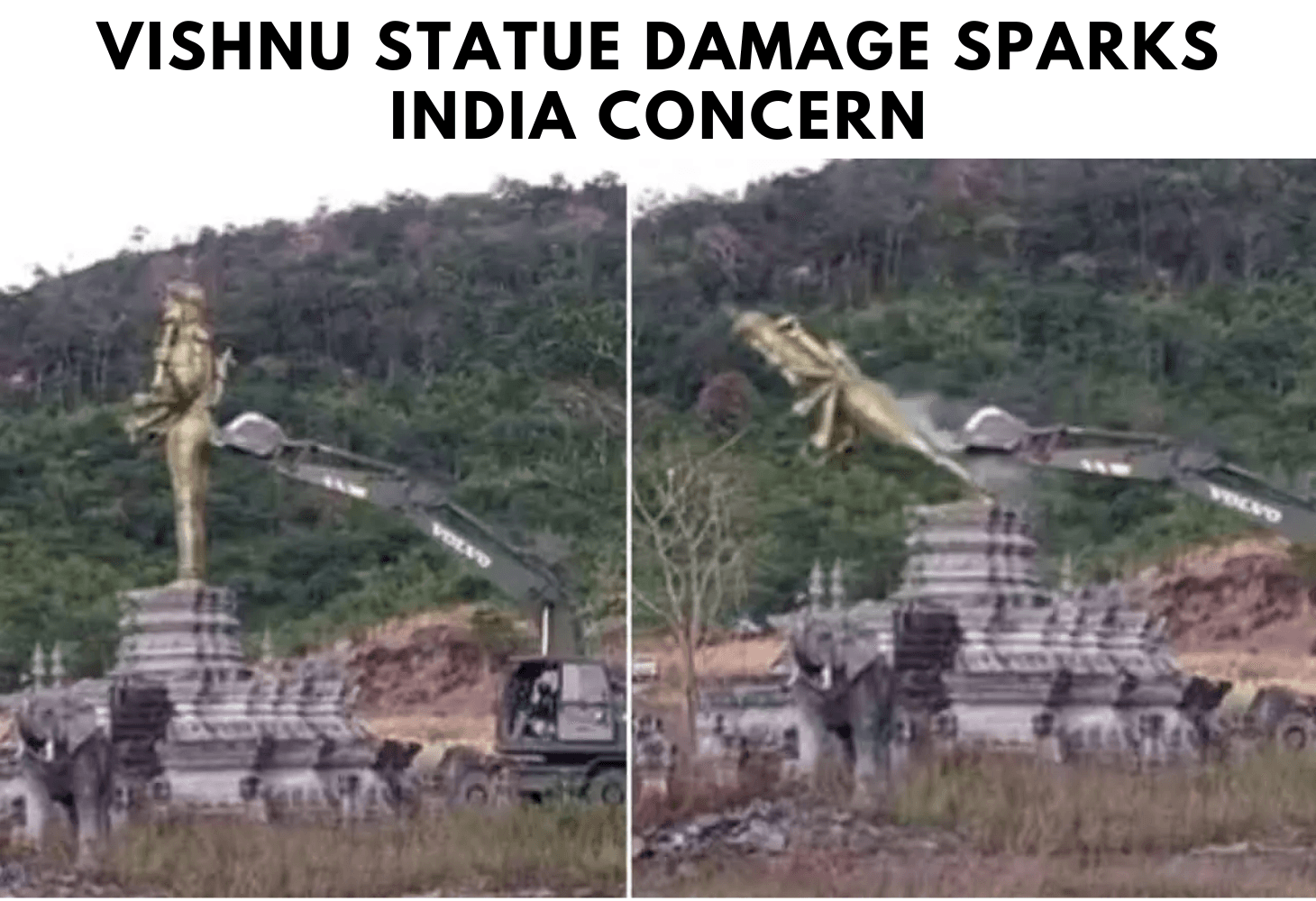
India, Cambodia condemn demolition near Thai border, urge restraint amid rising tensions
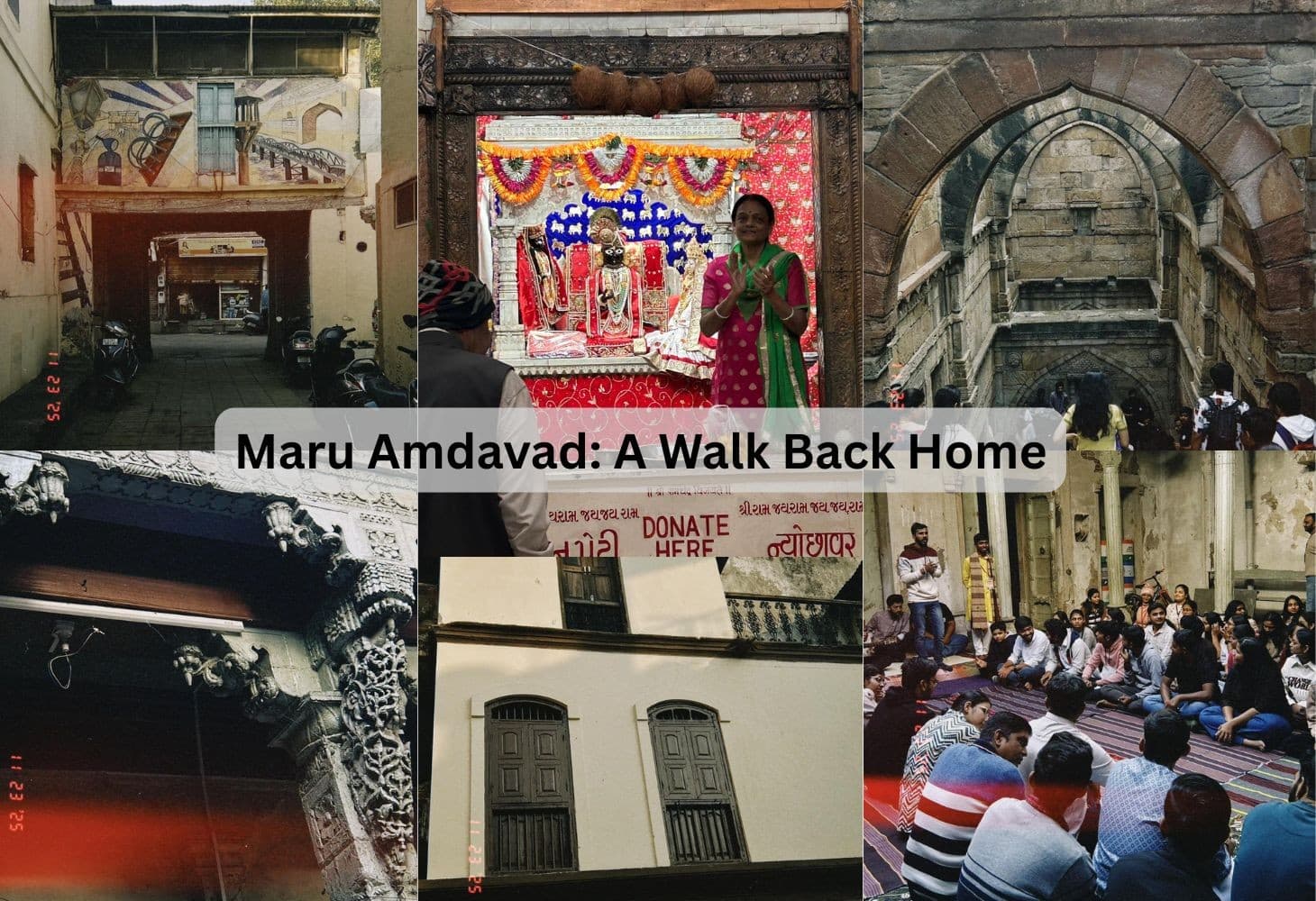
A soulful journey through Old Ahmedabad celebrating roots, culture and folk songs
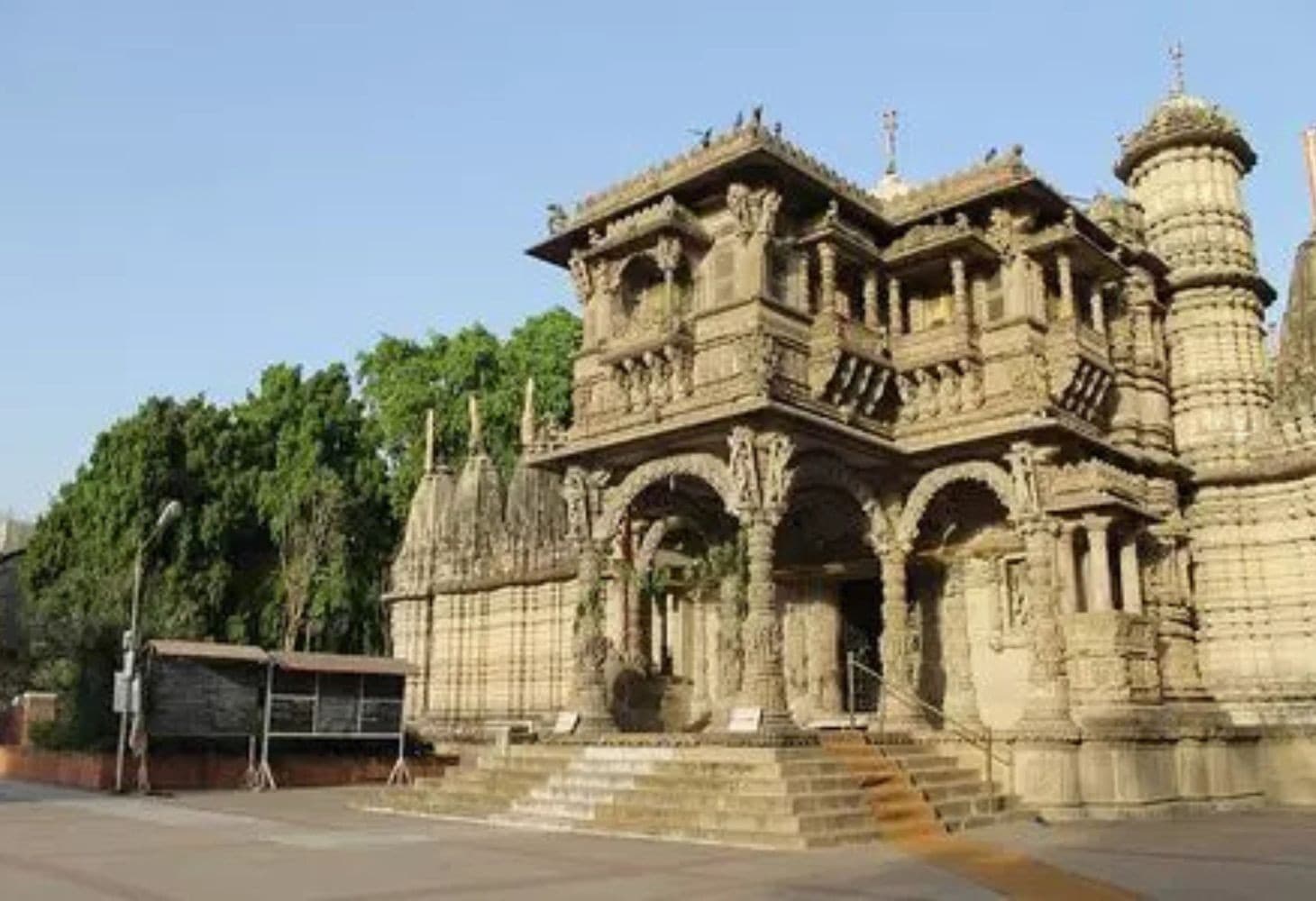
Ahmedabad’s old city highlights centuries of cultural unity during Heritage Week