Chhath Puja 2025: The Sun Festival of Devotion
Devotees worship the Sun God and Chhathi Maiya, seeking health, prosperity, and gratitude

Chhath Puja 2025: The Sun Festival of Devotion
Chhath Puja 2025: The Sun Festival of Devotion
Chhath Puja is one of the most ancient and spiritually significant Hindu festivals dedicated to Surya Dev (the Sun God) and Chhathi Maiya, believed to be the sister of Surya. It is mainly celebrated in Bihar, Jharkhand, Uttar Pradesh, and parts of Nepal, but devotees across India now observe it with great devotion. The festival honors the setting and rising sun, symbolizing gratitude, purity, and the cycle of life.
Spiritual SignificanceChhath Puja is rooted in the belief that the Sun God sustains life on Earth and fulfills wishes when worshipped with a pure heart. Devotees thank Surya for bestowing health, prosperity, and success. The rituals also invoke Chhathi Maiya, considered the protector of children and granter of longevity and happiness. The festival emphasizes self-discipline, cleanliness, and devotion, reflecting a connection between humans and nature.
Why It Is CelebratedAccording to Hindu scriptures, Chhath Puja dates back to the Vedic era, when sages worshipped the sun using mantras from the Rigveda. Mythological stories also link the puja to Lord Ram and Goddess Sita, who are said to have performed it after returning to Ayodhya following their exile. Another legend connects it with Karna, the son of Surya, who regularly offered prayers to the Sun standing in water.
Rituals and ObservanceChhath Puja is celebrated over four days:
Nahay-Khay (Bath and Eat): Devotees purify themselves and their surroundings, beginning the fast with simple vegetarian food.
Kharna: Observers fast for the entire day and break it after sunset with prasad made of jaggery kheer, fruits, and roti.
Sandhya Arghya (Evening Offering): Devotees offer ‘arghya’ (water and prayers) to the setting sun standing in rivers or ponds.
Usha Arghya (Morning Offering): The final ritual involves offering prayers to the rising sun, marking the end of the fast.
Women, known as vratin, observe a rigorous fast—often without water—for 36 hours. The festival reflects deep reverence for the natural elements and highlights the value of simplicity, gratitude, and harmony.
Modern RelevanceChhath Puja is not just a religious observance but also an environmental celebration. The rituals promote eco-friendly practices, such as using natural materials for offerings and keeping rivers clean. For many, it is a time to seek forgiveness, express gratitude, and pray for the well-being of the family and community.
In essence, Chhath Puja symbolizes the eternal relationship between humans and nature, reminding devotees to live with discipline, gratitude, and purity while acknowledging the life-giving power of the Sun.

Experience: 3 Years
Journalist
Benefit News Desk provides timely, accurate, and reliable news coverage across Gujarat, India, politics, crime, business, entertainment, sports, and other important topics.
Get the latest updates directly on your WhatsApp
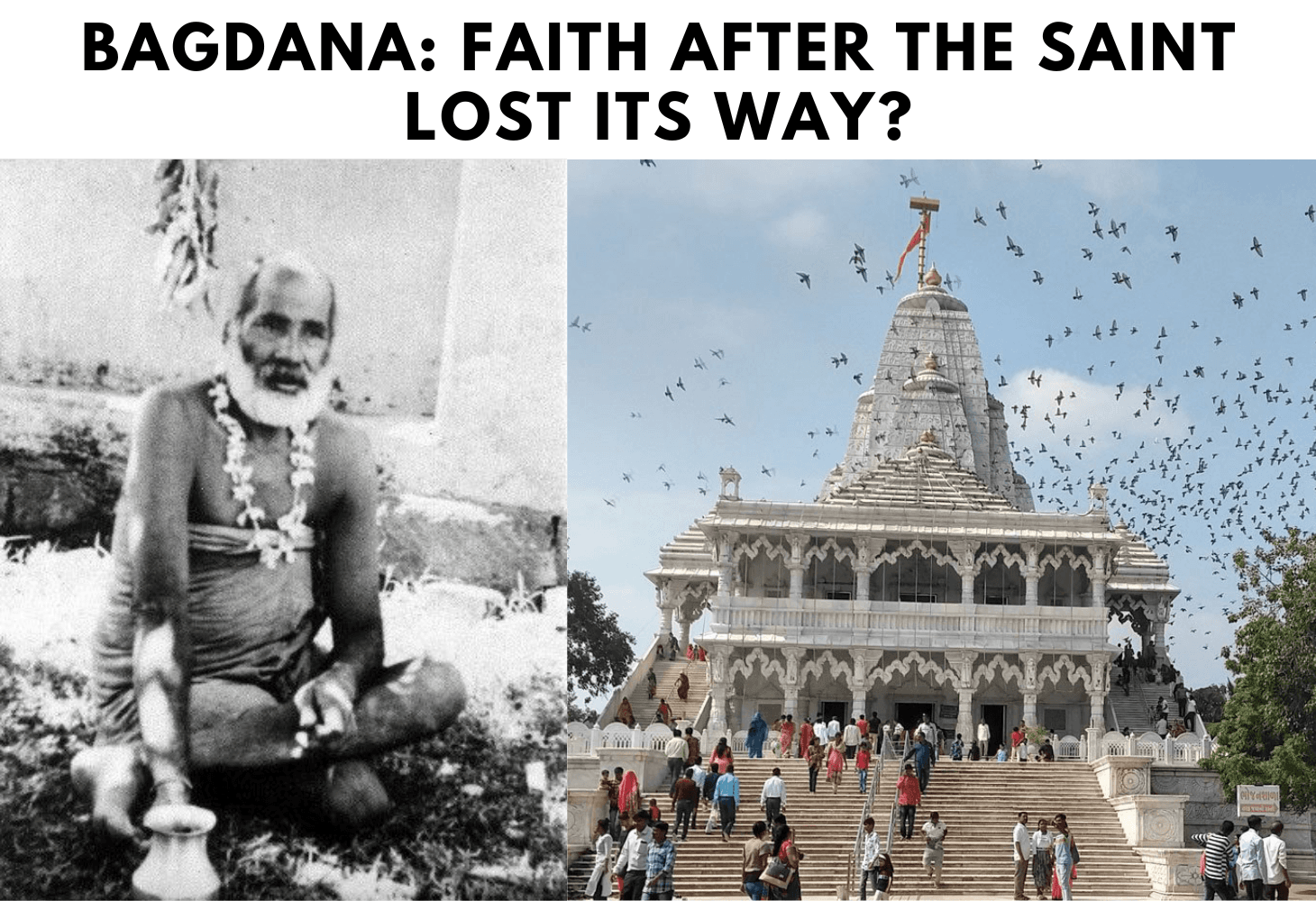
As caste claims clash at Bagdana, Bajrangdas Bapa’s life raises hard questions for today

India, Cambodia condemn demolition near Thai border, urge restraint amid rising tensions

A soulful journey through Old Ahmedabad celebrating roots, culture and folk songs