Ahmedabad’s Old City Celebrates Shared Heritage
Ahmedabad’s old city highlights centuries of cultural unity during Heritage Week
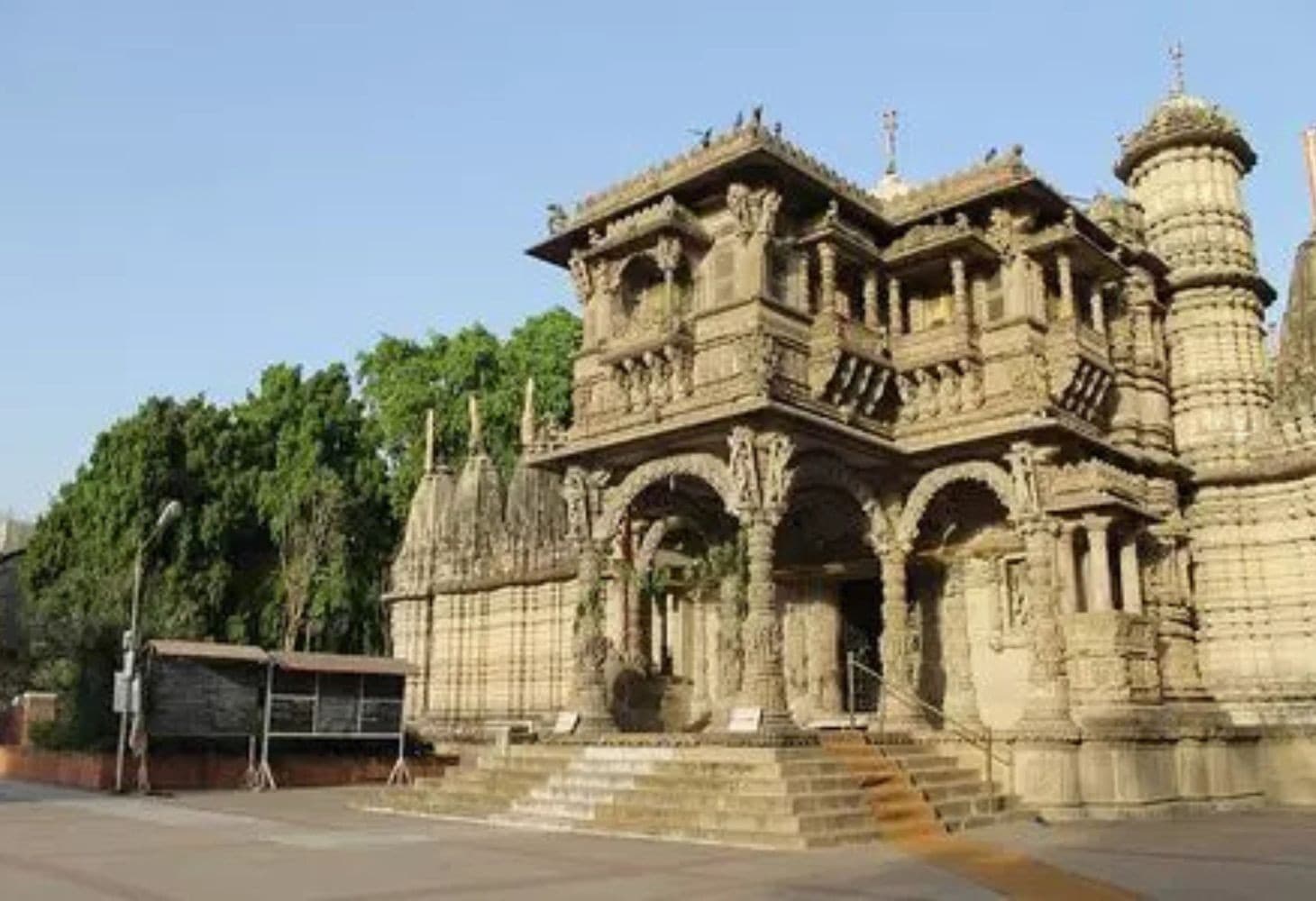
A vibrant street view of Ahmedabad’s old city showing a blend of temples, mosques and historic havel...
A vibrant street view of Ahmedabad’s old city showing a blend of temples, mosques and historic havel...
As World Heritage Week begins on November 19, Ahmedabad, the first Indian city to be inscribed as a UNESCO World Heritage City, continues to stand as a living example of coexistence.
Few urban centres around the world house centuries of Hindu, Muslim, Jain, Christian, Parsi and Jewish heritage within such a compact and walkable area.
In the dense lanes of the old city, domes, minarets, shikharas, fire temples, synagogues and church towers rise alongside one another, reflecting a tradition where diversity has remained an inherent part of daily life.
Founded in 1411 by Sultan Ahmed Shah as a fortified capital along the Sabarmati River, the old city soon grew into an interwoven space of communities living in pols, neighbourhoods that balanced distinct cultural identities with interdependence.
Over centuries, the pols evolved into microcosms of pluralism.
A Jain derasar stands beside a Sufi shrine, a haveli with Hindu iconography sits close to an old mosque, and within Khamasa, the Magen Abraham Synagogue preserves the Jewish presence in Gujarat’s history.
British officer and author James Forbes once wrote, “Ahmedabad stands as a splendid monument of Mahmud Begada’s glory… temples, mosques, caravanserais, and palaces rise proudly, speaking of ages of prosperity.”
The city’s Indo-Islamic architectural heritage is visible in early monuments such as the Jama Masjid, Rani Sipri Mosque, the Sidi Saiyyed Mosque, famous for its Tree of Life jaali — and the Teen Darwaza.
Nearby, ornate Jain temples, including the Hutheesing Jain Temple with its detailed marble work and manastambha, highlight another layer of the city’s religious landscape.
The 19th-century Kalupur Swaminarayan Mandir adds to this diversity with its intricate wooden carvings and vivid iconography.
Christianity, introduced to Gujarat by European traders and missionaries, left its imprint in historic churches in the Cantonment and Raikhad areas.
The Parsi Zoroastrian community, whose roots in Gujarat span more than a thousand years, contributed its own heritage through serene fire temples.
The Jewish Bene Israel community’s presence endures at the Magen Abraham Synagogue, built in 1934, which still conserves its old Torah scrolls.
What distinguishes Ahmedabad is the way these sites function within a shared urban ecosystem.
Morning "aartis" mingle with the call to prayer, Jain monks walk through lanes near churches, and local families of every background share markets, festivals and daily interactions.
UNESCO recognised this living heritage not only for its architecture but for the continuity of cultural traditions embedded within the pol system, stepwells, craft practices, wood-carved havelis and neighbourhood shrines.
These elements together form a heritage that is social as much as it is architectural.
As World Heritage Week unfolds, areas such as Manek Chowk, Dariyapur, Khadia, Kalupur and Jamalpur offer not just glimpses of the past, but a reminder that pluralism and coexistence can thrive where communities choose to share space and history.
—IANS
Get the latest updates directly on your WhatsApp
As caste claims clash at Bagdana, Bajrangdas Bapa’s life raises hard questions for today

India, Cambodia condemn demolition near Thai border, urge restraint amid rising tensions
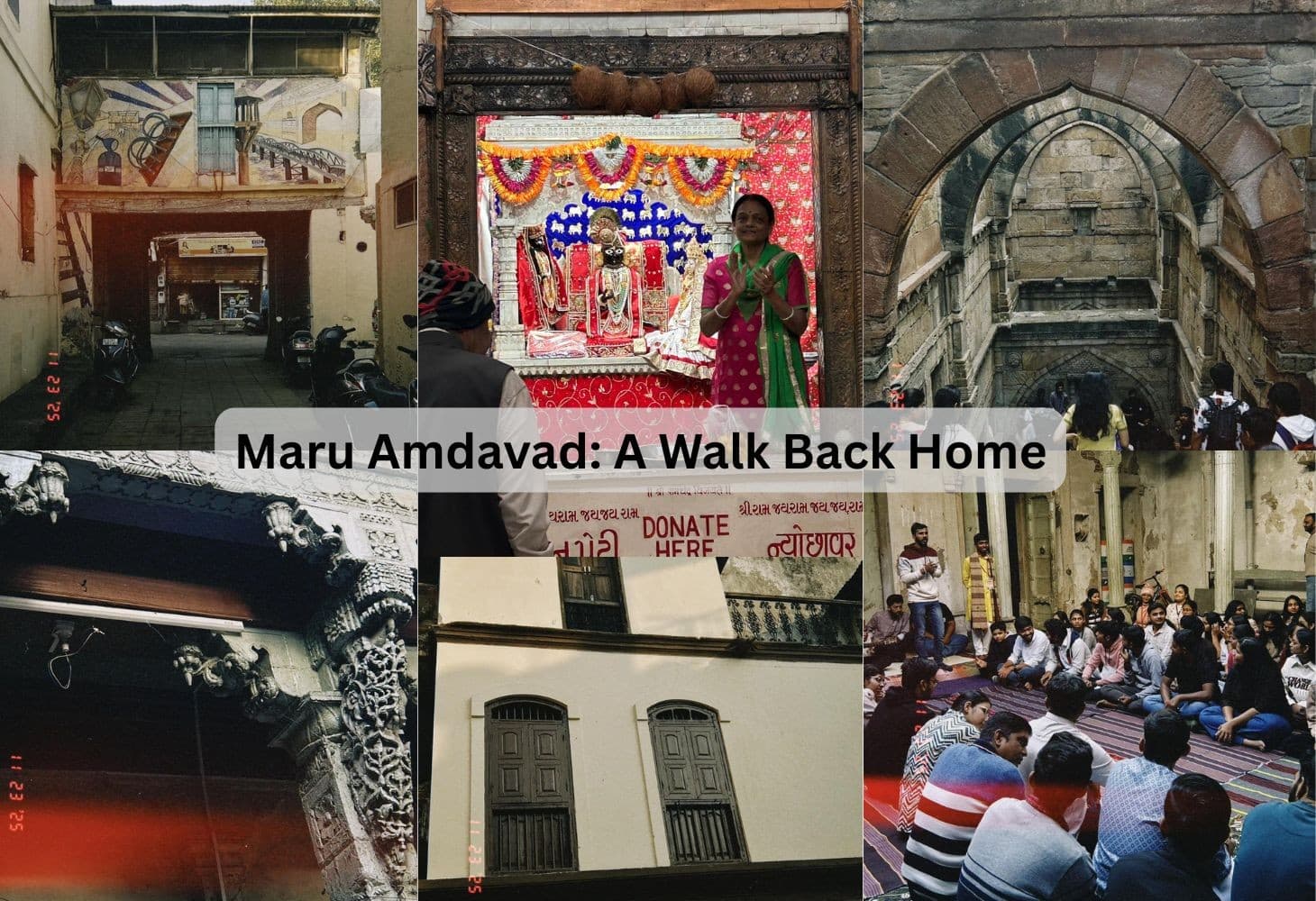
A soulful journey through Old Ahmedabad celebrating roots, culture and folk songs