'Adolescence' and the Dangers of Online Misogyny
How toxic online content shapes boys’ views on gender, relationships, and violence
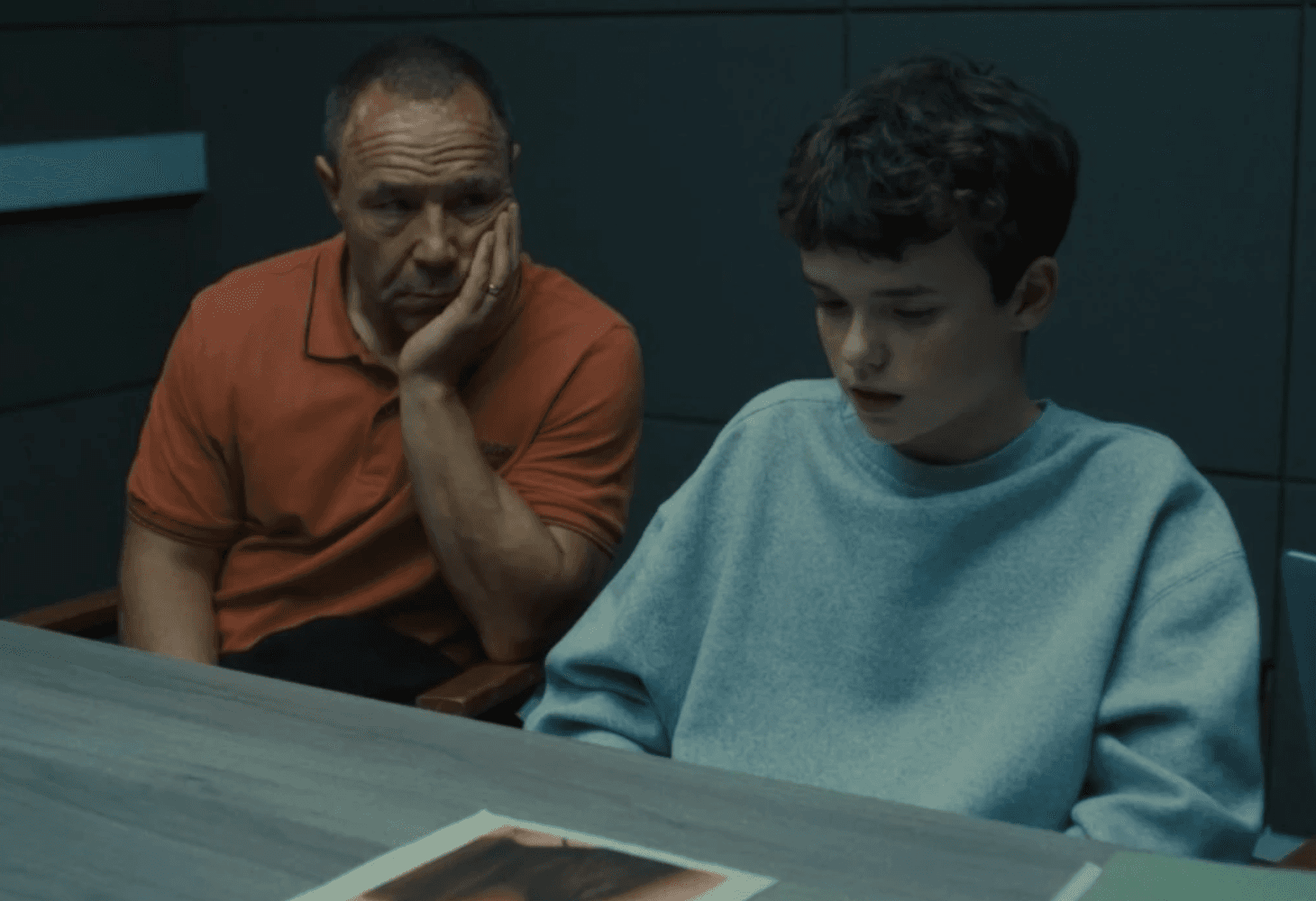
'Adolescence' is a wake-up call
'Adolescence' is a wake-up call
In the age of social media, where access to information is just a click away, young boys are increasingly being exposed to harmful ideologies that are not just toxic but dangerously pervasive. One such growing concern is the rise of online misogyny, a phenomenon that’s not only affecting how boys view women but is also shaping their emotional development and perceptions of gender roles.
The Netflix show Adolescence captures this dark reality in a compelling way, offering a glimpse into the world of a young boy who becomes involved in violent behaviour after being influenced by toxic online content. Though a work of fiction, Adolescence resonates deeply with today’s generation, particularly young boys who are navigating the complex digital space. This narrative isn’t just entertainment—it’s a stark reflection of the risks lurking in online communities, forums, and even gaming platforms.
The Rise of Online Misogyny
Online misogyny manifests in a variety of ways, from casual name-calling and sexist jokes to more harmful content, such as organized communities that promote hate against women. For young boys, this can start as seemingly harmless comments on social media or memes shared between peers, but it often escalates. The most dangerous aspect is the sense of anonymity that the internet provides, allowing these boys to participate in toxic discussions without immediate real-world consequences.
Platforms like Reddit, 4chan, and certain corners of YouTube have become breeding grounds for “manosphere” subcultures—groups that perpetuate negative stereotypes about women and endorse harmful views on masculinity. These platforms often portray women as adversaries, reinforcing harmful narratives about relationships, gender roles, and even entitlement to female attention.
The Psychological Toll on Young Boys
At the core of online misogyny is a distorted view of masculinity. Boys exposed to these harmful ideas can develop a skewed understanding of power, control, and their roles in relationships. Instead of learning to express vulnerability, empathy, and mutual respect, they are encouraged to embrace aggression, dominance, and emotional suppression. Over time, this can lead to deep-seated resentment towards women, which is then reflected in their actions both online and offline.
Furthermore, the pressure to conform to these toxic standards of masculinity often isolates boys emotionally, leading to struggles with mental health. Research shows that boys influenced by toxic masculinity are less likely to seek help for mental health issues, which can compound their feelings of isolation and anger. The result is a generation of boys who, instead of learning healthy coping mechanisms and respectful attitudes, are conditioned to internalize rage and entitlement.
The Role of Social Media and Gaming
Social media and online gaming are two of the most influential spaces where young boys interact with one another, often without adult supervision. In many cases, these platforms expose boys to misogynistic content and provide a space for the normalization of these beliefs. Gaming communities, for instance, are notorious for their toxic behaviour, where casual slurs and threats against female gamers are commonplace. While many games now include anti-harassment policies, the reality is that boys are still often subjected to this kind of language, making it seem like such behaviour is acceptable in certain circles.
The rise of gaming influencers and YouTubers who promote extreme views has also played a role in perpetuating these harmful attitudes. Some influencers, particularly those who garner massive followings, have used their platforms to promote anti-feminist rhetoric, normalizing it as part of a larger “in-crowd” culture. This not only influences the way boys think about gender dynamics but also solidifies these behaviours as cool or acceptable.
Consequences: From Words to Action
The transition from online misogyny to real-world harm is not as far-fetched as it may seem. Adolescence is a timely reminder of how easily the seeds of online hatred can manifest in real-life violence. In the show, we see how the protagonist, Jamie, becomes entangled in a cycle of aggression, largely fuelled by the toxic influences around him. His eventual violent actions are a tragic reflection of the emotional toll that unchecked online behaviour can have on impressionable minds.
Also See: Review | Adolescence: Unravelling the Dark Side of Youth
This escalation isn’t an isolated case. Studies have shown a direct correlation between exposure to misogynistic content online and an increased likelihood of aggressive behaviour in young men. Boys who internalize these views are more likely to engage in bullying, harassment, and, in extreme cases, violence toward women.
Breaking the Cycle
The challenge lies in how we address this issue at the grassroots level. It’s not enough to simply ban harmful content from the internet. Instead, we need a cultural shift—one that encourages young boys to engage with healthy portrayals of masculinity, to question the harmful narratives they encounter online, and to develop empathy and respect for women.
Parents, educators, and mentors must play a pivotal role in guiding boys through the digital world. Open discussions about online behaviour, the dangers of misogyny, and the importance of respectful interactions can help boys critically engage with the content they consume. Additionally, promoting positive male role models—especially those who exemplify kindness, emotional intelligence, and mutual respect—can counteract the toxic messages that are often glorified online.
A Wake-Up Call
The conversation about the dangers of online misogyny, as portrayed in Adolescence, is a wake-up call. It’s time to address the real-world consequences of unchecked online behaviour and ensure that boys grow up learning that masculinity is not about domination or anger, but about respect, equality, and empathy. Only then can we hope to break the cycle of online misogyny and create a safer, more compassionate environment for future generations.
Get the latest updates directly on your WhatsApp

As caste claims clash at Bagdana, Bajrangdas Bapa’s life raises hard questions for today

India, Cambodia condemn demolition near Thai border, urge restraint amid rising tensions

A soulful journey through Old Ahmedabad celebrating roots, culture and folk songs