SC Sets Aside HC Order in POCSO Case
Top court restores rape attempt charge, seeks sensitivity guidelines
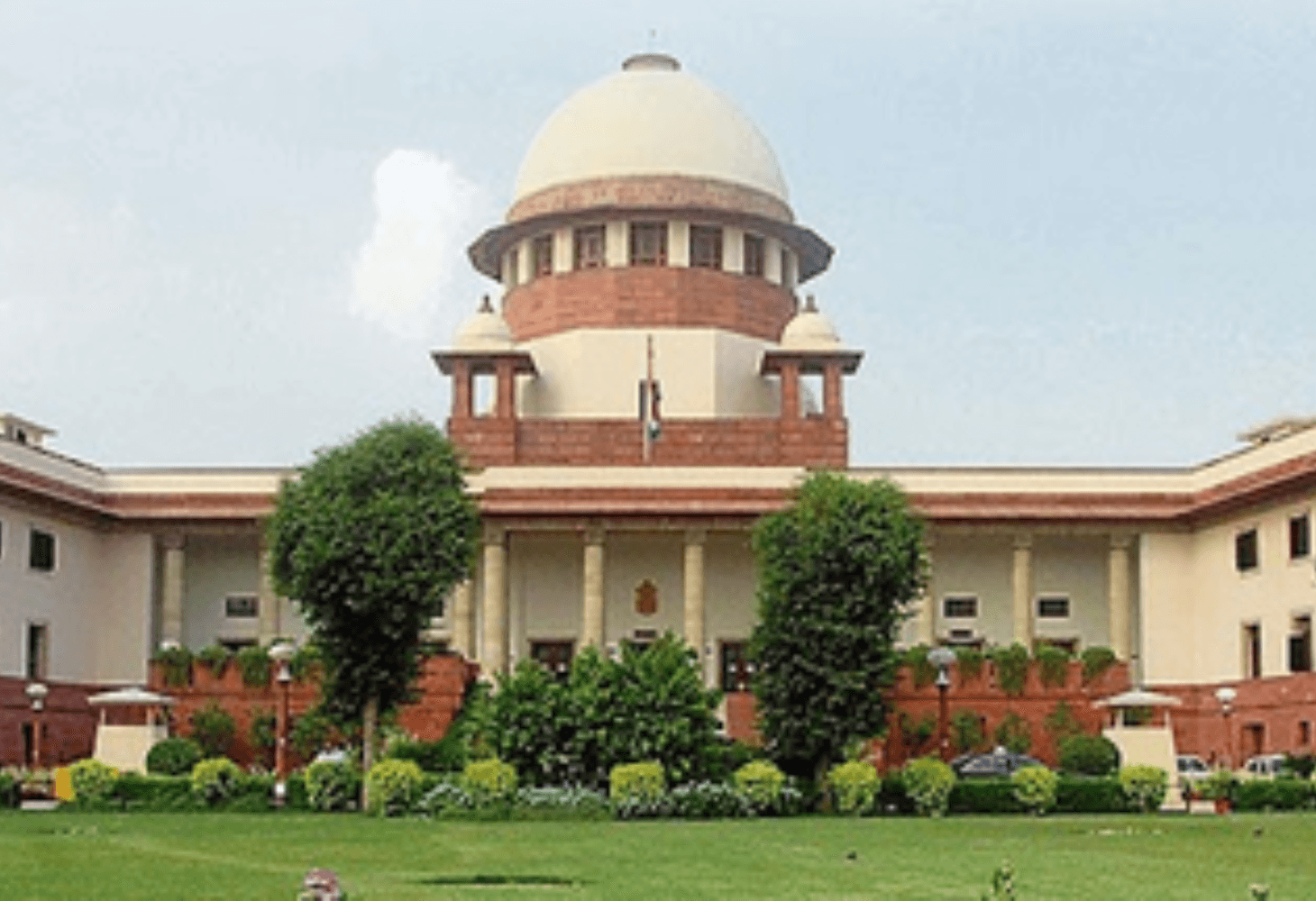
SC Allahabad HC POCSO ruling
SC Allahabad HC POCSO ruling
The Supreme Court of India on Tuesday set aside a March 2025 judgment of the Allahabad High Court that had ruled that grabbing a minor girl’s breasts and dragging her under a culvert did not amount to an attempt to rape. The apex court termed the ruling a “patently erroneous” application of criminal law principles.
A Bench led by Chief Justice of India Surya Kant, along with Justices Joymalya Bagchi and N.V. Anjaria, held that the high court had incorrectly reduced the charges from attempt to rape under Section 376 read with Section 511 of the IPC and Section 18 of the POCSO Act to lesser offences. The court restored the original summons issued by the Special POCSO Court in Kasganj, clarifying that its observations were prima facie and would not influence the trial’s outcome.
Rejecting the high court’s reasoning that the accused had merely “prepared” to commit rape, the Supreme Court reiterated the settled distinction between preparation and attempt, noting that an attempt begins when intent moves into execution. Based on the allegations, including forcibly taking the minor on a motorcycle, dragging her near a culvert, and fleeing only after she screamed, the Bench held that a prima facie case of attempt to rape was clearly made out.
The proceedings were initiated suo motu after senior advocate Shobha Gupta raised concerns over the high court’s reasoning. The Supreme Court had earlier stayed the controversial observations and later the entire judgment.
Beyond correcting the legal error, the court addressed a broader concern about insensitivity in judicial handling of sexual offence cases. It requested the National Judicial Academy in Bhopal to constitute a five-member expert committee to frame guidelines aimed at fostering compassion and sensitivity in courts, especially in cases involving minors and vulnerable victims.
The committee, to be chaired by former Supreme Court judge Justice Aniruddha Bose, has been directed to submit a report within three months. The guidelines are to be drafted in simple, accessible language and tailored to Indian realities to ensure they are understandable to victims and laypersons alike.

Experience: 3 Years
Journalist
Benefit News Desk provides timely, accurate, and reliable news coverage across Gujarat, India, politics, crime, business, entertainment, sports, and other important topics.
Get the latest updates directly on your WhatsApp

Robodog row sparks backlash at India AI Impact Summit 2026
Order follows clashes and safety concerns at Delhi University

ICG cracks down on illicit mid-sea oil transfers in EEZ